Delicious Flavors of Authentic Romanian Food
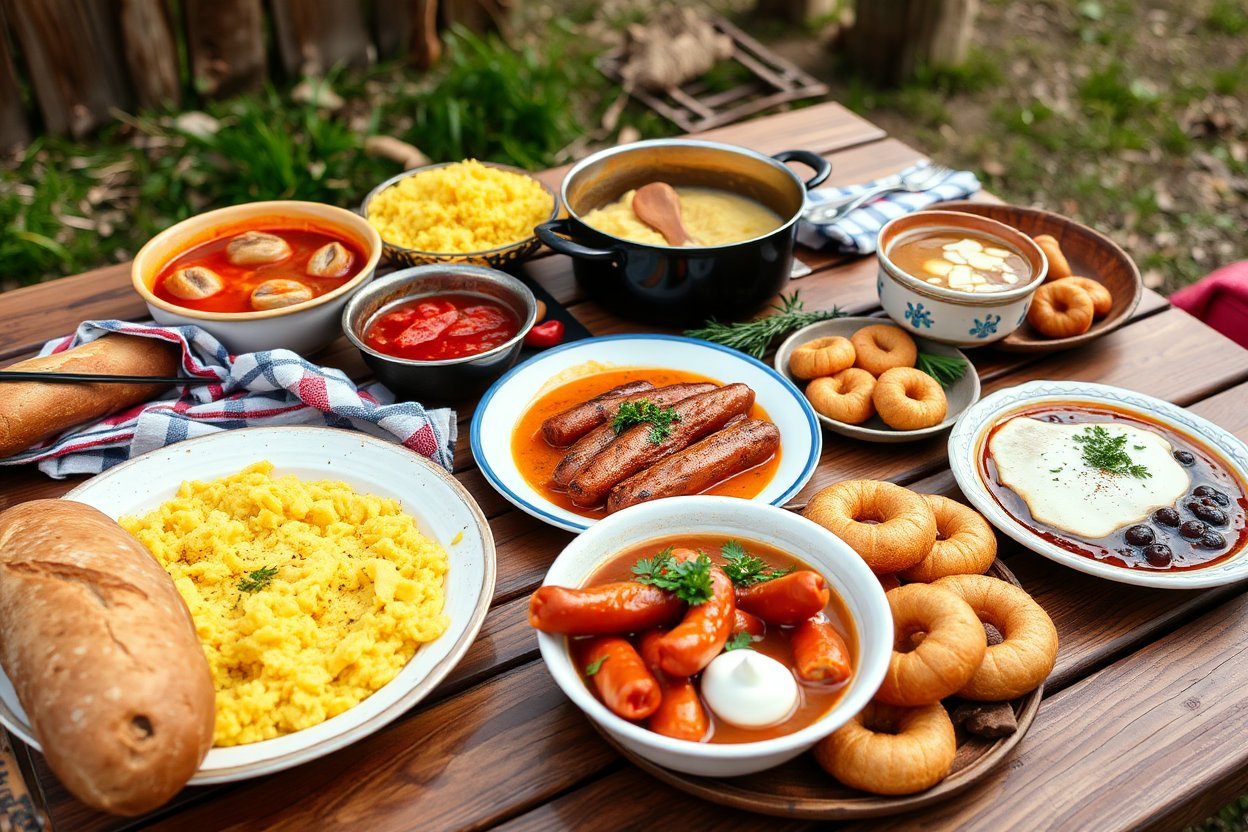
Romanian cuisine is one of Europe’s hidden gems—a rich blend of traditions, history, and cultural influences that span centuries. Whether you’re exploring the bustling streets of Bucharest, enjoying a family meal in the countryside, or trying your hand at Romanian food recipes at home, the flavors of Romania never fail to impress.
From hearty stews and sour soups to sweet pastries and grilled delicacies, traditional Romanian food reflects the nation’s diverse geography and cultural heritage. In this guide, we’ll take you on a culinary journey through the most iconic dishes, everyday meals, festive specialties, and modern takes on Romania’s flavorful traditions.
1. The Essence of Romanian Cuisine
At its heart, traditional Romanian food is about comfort, family, and togetherness. Meals are hearty and generous, often featuring meat, dairy, fresh vegetables, and grains. Romanian cuisine values balance: sour soups are paired with rich stews, light cheeses accompany heavy meats, and sweet pastries end festive meals.
2. Influences That Shaped Traditional Romanian Food
Romanian cuisine didn’t develop in isolation. Its flavors reflect centuries of interactions with neighbors and empires:
- Ottoman Empire: stuffed vegetables, grilled meats, and rich desserts.
- Hungarian influence: paprika, stews, goulash.
- German and Austrian influence: schnitzels, pretzels, layered cakes.
-
Slavic traditions: sour soups, pickling, dumplings.
The result is a cuisine that’s unique, yet familiar to many.
3. Core Ingredients and Flavors in Romanian Cooking
Key elements found in typical Romanian food include:
-
Meats: pork (most popular), beef, lamb, chicken, fish.
- Grains: cornmeal (mămăligă), wheat bread.
- Dairy: telemea cheese, sour cream, cașcaval.
- Vegetables: cabbage, potatoes, onions, beans, peppers.
- Seasonings: dill, garlic, parsley, lovage, paprika.
4. Typical Romanian Food Culture and Eating Habits
Meals are a social affair. Lunch is often the largest meal of the day, starting with a ciorbă (sour soup) followed by a meat-based dish with polenta or potatoes. Dinner is lighter, but festive meals can last for hours with multiple courses.
5. The Most Popular Romanian Food Dishes
Sarmale (Stuffed Cabbage Rolls)
A staple of holidays and weddings, sarmale consists of minced pork, rice, and spices wrapped in cabbage leaves and simmered in tomato sauce.
Mămăligă (Polenta)
Cornmeal boiled into a soft porridge, served with cheese, sour cream, or stews.
Ciorbă (Sour Soups)
Unique to Romania, these tangy soups use borș (fermented wheat bran) or lemon juice for flavor. Variants include ciorbă de burtă (tripe soup) and ciorbă de legume (vegetable soup).
Mici (Grilled Skinless Sausages)
Juicy sausages made from a mix of beef, pork, and spices, grilled until smoky. A favorite street and picnic food.
Salată de Boeuf (Beef Salad)
A festive cold dish made with diced beef, potatoes, carrots, peas, pickles, and mayonnaise.
Tochitură (Meat Stew with Polenta)
Rich pork stew served with mămăligă, fried eggs, and cheese.
Papanași (Cheese Doughnuts)
Soft fried or boiled doughnuts made from fresh cheese, topped with sour cream and jam.
Cozonac (Sweet Holiday Bread)
A sweet bread filled with walnuts, cocoa, or Turkish delight. A must-have for Christmas and Easter.
6. Regional Specialties in Romanian Cuisine
- Transylvania: goulash, smoked meats, and German-inspired dishes.
- Moldova: pies (plăcinte), creamy stews, sweet pastries.
- Dobrogea (Black Sea region): fish stews, grilled seafood.
- Oltenia and Muntenia: spicy vegetable stews, pork dishes.
7. Traditional Soups and Stews in Romania
Romanians love their soups. Some popular ones:
- Ciorbă de fasole cu afumătură (bean soup with smoked ham).
- Supă de pui cu găluște (chicken soup with dumplings).
- Gulaș ardeleneasc (Transylvanian goulash).
8. Romanian Street Food and Snacks
When on the go, try:
-
Covrigi (Romanian pretzels).
- Plăcinte (savory or sweet stuffed pastries).
- Langos (fried flatbread with garlic and cheese).
- Mici at fairs and outdoor markets.
9. Romanian Desserts and Sweets You Must Try
- Amandine (chocolate sponge cake with rum).
- Joffre cake (chocolate mousse layers).
- Plăcintă cu mere (apple pie).
- Kürtőskalács (chimney cake, popular in Transylvania).
10. Festive and Holiday Romanian Foods
Special occasions feature unique traditional Romanian food:
-
Christmas: sarmale, piftie (meat jelly), cozonac.
- Easter: lamb dishes, drob (herb and lamb pâté), sweet bread.
- Weddings: multi-course meals with soups, roasts, and cakes.
11. Romanian Food Recipes You Can Cook at Home
Recipe: Sarmale (Stuffed Cabbage Rolls)
- Ingredients: minced pork, rice, onion, dill, pickled cabbage leaves.
- Instructions: Mix filling, roll in cabbage leaves, simmer in tomato sauce for hours.
Recipe: Papanași
- Ingredients: cottage cheese, flour, eggs, sugar, oil.
- Instructions: Shape doughnuts, fry, and top with sour cream and jam.
These Romanian food recipes are perfect for experiencing authentic flavors at home.
12. Modern Twists on Traditional Romanian Food
Romanian chefs today are reimagining classics: deconstructed sarmale, artisan mici, and fusion dishes that blend traditional Romanian food with modern gastronomy.
13. Where to Experience Authentic Romanian Cuisine
- Bucharest: Caru’ cu Bere, Lacrimi și Sfinți.
- Cluj-Napoca: Varzarie, Casa Boema.
- Sibiu: farmers’ markets and guesthouses.
- Brașov: traditional taverns serving Transylvanian dishes.
14. Final Thoughts: Why Romanian Food Deserves Global Recognition
Rich, comforting, and diverse, authentic Romanian food deserves a place among Europe’s great cuisines. From typical Romanian food like mămăligă and sarmale to festive desserts like cozonac, every dish tells a story of heritage and hospitality.
Whether you’re searching for popular Romanian food to try in restaurants or experimenting with Romanian food recipes at home, this cuisine will surprise you with its warmth and depth of flavor.